
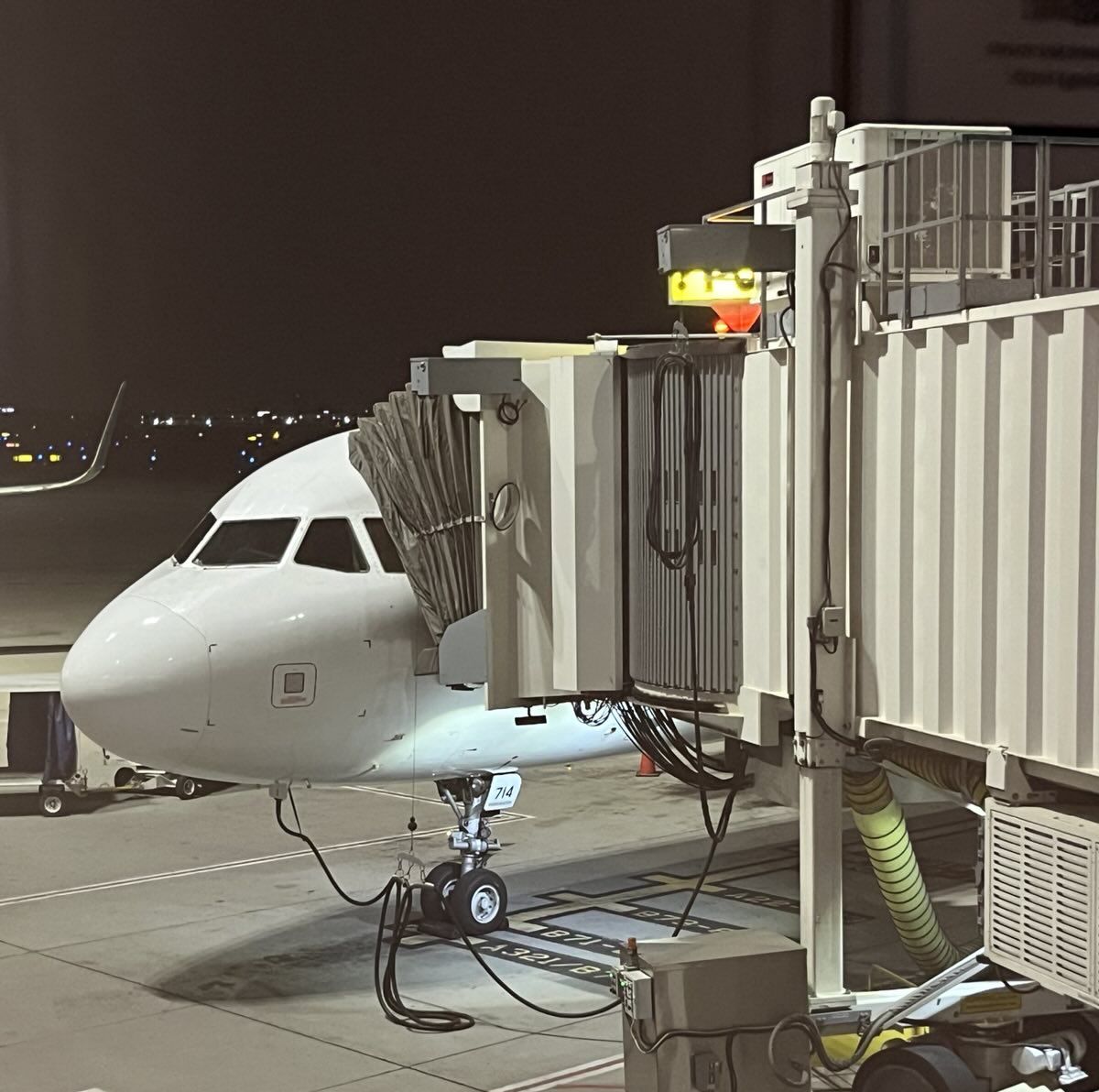
Despite the explosive growth of the cannabis sector—with global sales rising from approximately $21.3 billion in 2020 to an expected $55.9 billion by 2026—transport remains firmly rooted on land. Regulatory, logistical, and financial headwinds continue to bar alternative modes such as air or sea freight. Industry leaders ask: will that ever change?
Federal Law Remains the Anchor
At the heart of the issue is the federal classification of cannabis as a Schedule I substance under the Controlled Substances Act. This label renders any interstate or international transport illegal—even air freight—with no exceptions for state-legal products. Consequently, carriers such as FedEx, UPS, USPS, and airlines refuse involvement, whereas ocean carriers are similarly excluded.
State Regulations Explicitly Ban Air and Sea
In many states, regulations explicitly outlaw use of air, sea, drone, rail, or human-powered vehicles for cannabis distribution. California’s distributor license guidance, for example, mandates land-only transport modalities under strict protocols—vehicles must be enclosed, secure, and invisible from the outside.
Security & Compliance Complexity Intensifies
Land transport of cannabis already demands robust security: GPS-tracked, lockbox-equipped vehicles with climate controls, secure manifests, bonded drivers, and mandatory surveillance coverage. Transferring these protocols to air or sea would multiply logistics hurdles. Port operations involve customs control, international treaties, cargo insurance exclusions for federally illicit goods, and a fragmented patchwork of receipt regulations.
Insurance & Financing Remain Roadblocks
Cannabis businesses struggle with basic banking; 70% operate cash-only due to federal stigma. Cargo insurance is limited, costly, and often excludes seizure by authorities—making the freight of high-value cannabis via airlines or shipping lines financially untenable.
Industry’s Practical Need for Speed Dwarfed by Land Options
Most cannabis flows are intra-state. Cross-border delivery remains illegal, saving air and sea freight from serious demand. Even millisecond delivery networks have only emerged in niche cases—such as limited boat transport recently approved to islands like Martha’s Vineyard, but only under tight state regulation. Sea routes have not expanded beyond these isolated administrative orders.
Future Outlook: Full Federal Legalization Required
Until cannabis is removed from Schedule I, federal barriers will stand. Even hemp (≤0.3% THC) has faced prosecution under unclear cross-state interpretations. Only federal rescheduling—or clear legislation enabling interstate commerce—would open avenues for aviation and marine logistics.
Summary
- Federal prohibition
- No airline or maritime companies involved due to Schedule I status.
- State laws
- Most states explicitly mandate land-only transport.
- Security & compliance challenges
- Complex land-based protocols would be even more difficult by air or sea.
- Insurance & financing limitations
- High costs and risk of seizure make air/sea freight impractical.
- Intra-state demand patterns
- Current markets don’t require inter-state or international shipping.
- Legal reform essential
- Nationwide legalization or rescheduling is needed for new transport modes.